Home
Success BLOG
About US
This Month...
YOUR Story
Success Secrets
Successful People
About YOU
Goal Setting
Software
Systems
"The Secret"
FREE Program
Popular Goals
Goals for Kids
Life Skills
ToolBOX
Library
Articles
Links
Site Map

Manage your asset portfolio


An asset is something tangible that you own, in other words something of value that you own. You may have already purchased some big ones – a car, a house, even furniture.

These items are an often forgotten part of your wealth portfolio – they have a value if you sell them, and they have a ‘cost’ to replace them if they are damaged. You also need to maintain them to maintain their value.

An important part of managing your finances therefore is to manage what you own – and choose them carefully in the first place!

To determine what your assets are ‘worth’, there are a few things you need to consider:

  • Resale Value: this is how much your assets are worth - that is, if you sold your car for example, how much money could you get for it?
  • Replacement Value: this is how much your assets would cost to replace (and should be the same as their insured value) – if you had to rebuild your house, what would this cost. This could be more or less than the original purchase price and resale value, depending on the asset.
  • Liability: this is how much you owe for the asset – that is, if you purchased the asset by a loan, how much of that own is still owing.

There is an asset record sheet in the ToolBOX under 'Financial Tools' you can use to keep track of your assets.

And don't forget to budget for asset maintenance and insure them against loss or damage.

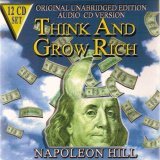
Think and Grow Rich

This 12 CD set is the unprecedented blue print for success. Anything your mind can conceive and believe- you can achieve. That is the timeless philosophy of Napoleon Hill, author of this all time motivational best seller, Think and Grow Rich. Napoleon Hills's classic teaching reveals a secret formula that has created more millionaires than any other book or success system combined. With these proven success principles, you will begin to think outside the box and make your dreams a reality.

Your house is an asset

If you own your home, odds are that this is the single largest asset you have purchased. And the good news with houses is that as an asset, they usually increase in value! This also means that you can use the increase in value as equity, and use this for other investments.

Here are some tips to get the most out of your house as an asset.

Purchase:

  • Location Location Location! It is better to buy the worst house in the best street, than the best house in the worst street as neighbouring property values inevitably have an impact on the value of your own home.
  • Buy a house that suits your needs. A 4 personal family can live quite happily in a 3 bedroom house and will be more affordable than a bigger house, not to mention easier to maintain. And with the money you save, you can put this into other assets such as an investment property.
  • Do your research – check Council records for details of existing and future services in the area, check flood zones and flight paths, get pest and termite inspections, and make sure you really know what you are buying.
  • If you are buying a house to renovate or restore, again make sure you do the research and work out exactly what needs to be done and whether you will be able to return this expenditure when you sell.

Renovating: To renovate or not to renovate, that is the question. Think about the following to help you decide:

  • Why are you considering renovating - to make money? Expand for a new arrival? Just for yourself? Your reason for renovating will affect how you renovate and exactly what you do.
  • What exactly do you want to do and how much will it cost? And be realistic here – many enthusiastic renovators (including myself!) severely under-estimate both how much money and how much time it takes to renovate. Get some good advice before you commit yourself.
  • Do you have the skills to do the work yourself, or do you need to rely on tradesmen? This will make a big impact on cost, but at least you can get a firm quote for the work, so you’ll know exactly how much you need to spend.
  • If you’re renovating to make a profit, spend your money wisely and don’t over-capitalise. Many real-estate agents will be able to give you an indication of where you can improve your house to get the best return – get this advice!
  • What are house prices in your area doing? If real-estate is slow, it may not be the best time to renovate for re-sale. If your area is going through a housing boom, then it probably is the right time to look at this option.
  • Do you have the energy and drive to renovate – it takes time and energy, there will be set-backs and things you didn’t think of. Can you cope with this?

Maintenance: Look after your biggest asset, to help keep its value!

  • Regularly inspect your house for any wear and tear and keep a note of when you may need to repair it.
  • Get periodic building and pest inspections by a professional – picking up and dealing with any major structural problems or pests early will save you money later on. Regular spraying for pests is also recommended, but get advice from a professional first.
  • Keep timber finishes protected – paint, polish or varnish depending on the finish. Timber is usually the first material to start showing signs of age. But watch out for rust on structural steel work too, and keep this in check.
  • Keep yards and gardens tidy and free from weeds. Clean up debris and gutters.
  • Keep a diary for your house and include contact details for plumbers, electricians and the like and keep a record of all a maintenance activities you’ve done.

Cars and other vehicles

All new cars depreciate in value once you’ve purchased them, but there are some things you can do to keep the resale value as high as possible. Same applies to boats, motorbikes, etc.

Purchase:

  • Consider a near-new vehicle – new vehicles depreciate in value by 5-10% as soon as you drive them out the show room door. So you can purchase new vehicles with very low mileage for 5-10% less than full price. While it is nice to be the sole owner when you re-sell, it doesn’t add a lot in resale value. Demonstration / test drive models may also be a good bargain.
  • Consider the resale of particular makes and models – some vehicle hold their value better than others. There are many vehicle sale websites available where you can compare resale value. Be informed and chose wisely.
  • If you are purchasing a used vehicle, do your research. Find out what the standard market value is, investigate the VIN number for theft and major accident damage, get a thorough roadworthy inspection and engine check by your own mechanic and do a reasonable test drive.

Maintenance:

  • If your vehicle is new or near new, there will probably be a schedule of routine maintenance required for warranty. Make sure you get these done by a qualified mechanic (and usually the dealer’s mechanic).
  • Even if you purchased a used vehicle, keep it well maintained. Talk to your mechanic about a schedule for servicing (based on time passed of mileage) and stick to the schedule. In particular, make sure oil and lube and tyre rotations are kept up to date.
  • Use it! Too much mileage affects resale value, but too little use affects the vehicles performance. Make sure you keep the engine ticking over at least once a week.
  • Keep the vehicle covered out of the direct sun light if possible – sun light causes a lot of damage to paintwork and soft furnishings so minimise exposure with a cover if possible.
  • Keep the vehicle washed and polished to protect the paintwork and internals, and keep that ‘loved’ look.


Related Topics:


footer for asset page